Illinois 15C-16.003: Unmasking the Fake DMV Text Scam
In an increasingly digital world, scammers are constantly evolving their tactics to defraud unsuspecting individuals. One pervasive and particularly insidious scheme targeting Illinois residents involves official-sounding text messages threatening penalties for unpaid traffic tickets or tolls, often citing a fabricated legal reference: the "Illinois Administrative Code 15C-16.003." If you've received such a message, take a deep breath – it's a scam, and you are not alone.
This article will unmask the deceptive practices behind the fake DMV text scam, explain why you should never engage with these messages, and provide actionable steps to protect yourself and others in the Prairie State. Understanding this fraudulent scheme is your first line of defense against falling victim to identity theft, financial fraud, and malware.
The Anatomy of a Scam: What is the "Illinois Administrative Code 15C-16.003" Fraud?
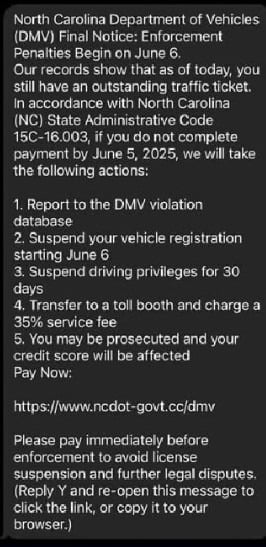
The core of this scam revolves around a highly sophisticated form of phishing designed to mimic legitimate government communication. Scammers send text messages that appear to originate from an official source, such as the Illinois Department of Motor Vehicles (DMV) or the Illinois Tollway Authority. The messages typically claim you have an outstanding traffic violation or unpaid toll and often include a dire warning about impending consequences if you don't act immediately.
The critical element that lends a false air of legitimacy to these texts is the inclusion of a seemingly official, yet entirely bogus, legal citation: Illinois Administrative Code 15C-16.003. This code does not exist in the Illinois statutes or administrative rules. Its sole purpose is to instill fear and urgency, pressuring recipients into believing the threat is real and that clicking a provided link is the only way to resolve the supposed issue. This tactic is remarkably effective because most people are unfamiliar with specific legal codes and tend to trust communications that appear to come from state agencies.
What makes this particular scam so widespread and dangerous is its adaptability. Reports confirm that this exact same fraudulent code, 15C-16.003, is being used across numerous states – from California to Florida, New York to Ohio, and indeed, right here in Illinois. Scammers simply swap out the state name in the text message, making it appear localized and even more convincing to residents. This demonstrates a high level of coordination and a cynical understanding of how to exploit public trust in official institutions.
The ultimate goal, as with most phishing attempts, is straightforward: to trick you into clicking a malicious link. This link will lead to a fake website, meticulously designed to look like an official Illinois state agency portal. There, you'll be prompted to enter sensitive personal and financial information, such as your driver's license number, date of birth, Social Security number, or credit card details, all of which the scammers will then steal for nefarious purposes.
Deceptive Tactics and Threats: How Scammers Pressure Illinois Residents
Scammers are masters of psychological manipulation, and the fake DMV text scam employs several high-pressure tactics to achieve its objectives. These aren't just random messages; they are crafted to trigger an immediate, emotional response, bypassing critical thinking.
Fear and Urgency: The Core Strategy
The primary tool in the scammer's arsenal is creating a sense of fear and urgency. The text messages are often laden with threats designed to make you panic and react without hesitation. These threats typically include:
- Suspension of your vehicle registration: A direct hit to your ability to legally operate your car.
- Suspension of your driving privileges: Implying you could lose your license, severely impacting daily life.
- Transfer to a toll booth with additional fees: A seemingly minor threat that still suggests a financial penalty and escalating costs.
- Potential prosecution and impact on your credit score: These severe warnings aim to scare you into thinking legal action or long-term financial damage is imminent.
The scammers know that no one wants to deal with a suspended license or a damaged credit score, let alone face legal prosecution. By framing their demands with these dire consequences, they hope to override your natural skepticism and coerce you into clicking the link to "resolve" the issue immediately.
Official-Sounding Language and Appearance
Beyond the fake Illinois Administrative Code 15C-16.003, the messages are often grammatically correct and use formal language, further enhancing their illusion of authenticity. The fake websites they link to are also incredibly convincing, often replicating official logos, color schemes, and layouts of legitimate Illinois government sites. These details are meticulously designed to reduce any suspicion that might arise.
It's crucial for Illinois residents to remember a fundamental truth: official agencies like the Illinois Secretary of State (which oversees the DMV) or the Illinois Tollway will almost never demand immediate payment or personal information via unsolicited text message, especially not with threats of immediate suspension or prosecution. Legitimate notifications for unpaid tickets or tolls typically arrive via official mail, with clear instructions on how to appeal or pay through secure, verified channels.
How to Identify and Protect Yourself from This Sophisticated Phishing Attempt
Protecting yourself from the Illinois Administrative Code 15C-16.003 scam involves vigilance, skepticism, and adherence to simple but effective security practices. Here’s what Illinois residents should do:
- DO NOT Click Any Links: This is the golden rule. Any link in an unsolicited text message, especially one threatening penalties, is highly suspicious. Clicking it can lead to malicious websites designed to steal your data or infect your device with malware. For more detailed advice on identifying these deceptive messages, you might find our article Is Illinois Administrative Code 15C-16.003 Real? Beware! particularly helpful.
- DO NOT Respond to the Message: Responding confirms to scammers that your number is active, making you a target for more spam and scams.
- Delete the Message Immediately: Once you've identified it as a scam, delete it to avoid accidentally interacting with it later.
- Verify Directly with Official Sources: If you're genuinely concerned about an unpaid ticket or toll, do not use contact information provided in the suspicious text. Instead, independently navigate to the official websites of the Illinois Secretary of State (SOS) or the Illinois Tollway (e.g., ilsos.gov or illinoistollway.com) or call their official customer service numbers directly. Always type the URL yourself or use trusted bookmarks.
- Report the Scam: Your actions can help protect others:
- Forward to 7726 (SPAM): This reports the message to your wireless provider, helping them block similar texts.
- Report to the FTC: File a report at reportfraud.ftc.gov.
- Report to the Illinois Attorney General: The Illinois AG's office also collects reports on scams affecting residents.
- Notify the Illinois Secretary of State Police: As these scams impersonate their services, they are interested in reports.
- Educate Others: Share this information with friends, family, and community members, especially those who may be less tech-savvy.
To understand the specific dangers of clicking these malicious links, especially concerning data breaches and identity theft, read Illinois DMV Text Scam: Do Not Click 15C-16.003 Links. It's crucial to understand the potential fallout of interacting with these fraudulent messages.
Why This Scam Persists: A Look at Scammers' Evolving Strategies
The persistence and success of scams like the Illinois Administrative Code 15C-16.003 text message are due to several factors:
Firstly, the ease of mass communication via text messages (SMS phishing or "smishing") makes it incredibly simple for scammers to reach millions of potential victims at a low cost. They don't need to know anything specific about you other than your phone number.
Secondly, the psychological leverage of government authority is immense. People are naturally inclined to comply with official directives and fear legal repercussions. By fabricating a legitimate-sounding code and threatening severe penalties, scammers tap into this inherent respect for the law.
Thirdly, the sophistication of their impersonation tactics has improved. From crafting believable text messages to designing highly convincing fake websites, scammers invest resources into making their fraud appear as authentic as possible. This makes it difficult for the average person, who may not be a cybersecurity expert, to discern the fake from the real.
Finally, scammers are constantly adapting. When one tactic becomes widely known, they pivot to another or modify existing ones. Public awareness campaigns are vital, but a continuous effort is needed to stay ahead of these malicious actors.
Conclusion
The "Illinois Administrative Code 15C-16.003" text message scam is a clear and present danger to residents across Illinois. It exploits fear, urgency, and a lack of specific legal knowledge to trick individuals into compromising their personal and financial security. Remember: the Illinois Secretary of State and other official state agencies do not demand payment or sensitive information via unsolicited text messages regarding traffic tickets or tolls.
Your best defense is skepticism. Always question unexpected communications, especially those that threaten immediate penalties. Do not click links, do not reply, and always verify any official-sounding claim directly through verified government channels. By staying informed, vigilant, and proactive in reporting these scams, you can protect yourself and help create a safer digital environment for everyone in Illinois.