Beware: The "Illinois Administrative Code 15C-16.003" Text Scam is Targeting Residents
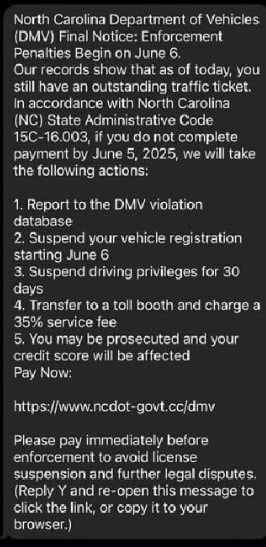
Illinois residents, a dangerous and pervasive text message scam is making the rounds, designed to panic you into revealing sensitive personal and financial information. If you've recently received a text message claiming to be from the Illinois Department of Motor Vehicles (DMV) – or more accurately, the Illinois Secretary of State's office, which oversees driver services in Illinois – citing an unpaid traffic ticket or toll and referencing a mysterious "Illinois Administrative Code 15C-16.003," do not fall for it. This code is entirely fabricated, a sophisticated piece of digital bait crafted by cybercriminals to steal your data.
This scam isn't new, but its adaptation to target specific states like Illinois makes it particularly concerning. Scammers leverage official-sounding jargon and the threat of severe penalties to create a false sense of urgency, pressuring recipients to click malicious links. Understanding the mechanics of this fraud is your first line of defense.
Unmasking the Fabricated "Illinois Administrative Code 15C-16.003"
The core of this widespread scam lies in its use of an official-sounding but completely bogus legal reference:
Illinois Administrative Code 15C-16.003. The critical truth is that no such code exists within Illinois' legal framework concerning traffic violations or tolls. It’s a phantom regulation, conjured by scammers to lend an air of legitimacy to their deceptive messages.
Why do they use such a tactic? The answer is psychological. By embedding what appears to be a specific, official administrative code, scammers aim to:
- Create False Legitimacy: The numerical sequence and "Administrative Code" phrasing mimic genuine legal citations, making the text appear credible to the unsuspecting eye.
- Induce Urgency and Fear: The perceived official nature, coupled with threats of legal repercussions, triggers an immediate emotional response, overriding logical thought and compelling recipients to act quickly.
- Bypass Scrutiny: Most people don't have immediate access to a legal database or the time to verify a code on the spot. The scam relies on this common lack of immediate verification.
This isn't an isolated incident affecting only Illinois. Reports from across the country – including Alabama, Ohio, New York, Florida, California, Arizona, and Missouri – confirm that this exact same fraudulent code is being used. The scammers simply swap out the state name in the text message, demonstrating a highly organized and adaptable criminal enterprise. While a resident in Arizona might see "Arizona State Administrative Code 15C-16.003," an Illinoisan will encounter the adapted "Illinois" version. The underlying deception remains identical. For a deeper dive into how this specific code is being used to trick residents, read our article:
Illinois 15C-16.003: Unmasking the Fake DMV Text Scam.
The Deceptive Tactics: How Scammers Lure You In
These fraudulent text messages are crafted with precision to instill panic and compel immediate, unthinking action. The language often includes dire warnings and fabricated deadlines designed to overwhelm recipients. Typical threats embedded in these scam texts include:
- Suspension of your vehicle registration: A common fear for vehicle owners, implying immediate consequences.
- Suspension of your driving privileges: Directly impacting one's ability to commute, work, and manage daily life.
- Transfer to a toll booth with additional fees: Suggesting escalating costs if payment isn't made promptly.
- Potential prosecution and impact on your credit score: These are severe legal and financial threats that can cause significant distress.
The ultimate goal of these alarming messages is singular: to get you to click on the fraudulent link provided. This link is not a legitimate payment portal. Instead, it leads to a fake website meticulously designed to mimic an official government or financial institution page. Once there, you'll likely be prompted to "pay" the alleged fine, at which point the scammers will attempt to harvest your personal and financial information, including:
- Credit card details (card number, expiration date, CVV)
- Bank account information
- Social Security Number
- Driver's License number
- Other sensitive Personally Identifiable Information (PII)
Beyond data theft, clicking these links can also expose your device to malware. This malicious software can compromise your phone or computer, allowing criminals to monitor your activity, steal more data, or even lock you out of your device. The danger extends beyond just the initial financial loss; it threatens your digital security and privacy. To understand why this 'administrative code' is nothing more than a dangerous fabrication, explore:
Is Illinois Administrative Code 15C-16.003 Real? Beware!
Why Official Agencies Don't Text You for Payments
A critical principle to remember in safeguarding yourself against these scams is understanding how legitimate government agencies operate. The Illinois Secretary of State's office, which oversees the Illinois DMV functions, including driver's licenses and vehicle registrations,
will never send unsolicited text messages demanding immediate payment for traffic tickets, tolls, or any other fines.
Official communications from state agencies regarding unpaid fines or legal issues typically adhere to strict protocols:
- Official Mail: The primary method for formal notices, including traffic violations, parking tickets, or tollway violations, is through official U.S. mail. These documents are usually sent to the address on file for your vehicle registration or driver's license.
- Secure Online Portals: If an agency offers online payment options, these are accessed through secure, official websites after you have proactively logged in using verified credentials. They do not send direct links via text for payment.
- In-Person or Phone Calls (initiated by you): If you need to discuss a violation, you would initiate contact with the appropriate court, tollway authority, or Secretary of State's office directly using verified contact information from their official website or prior official correspondence.
- Email (Opt-in Only): Some agencies offer email notifications for reminders, but these are typically opt-in services and would never demand payment via a clickable link in the email itself. They would direct you to an official, secure portal.
Any text message demanding payment, threatening immediate penalties, or asking for personal information via a link should be treated as a scam. Legitimate entities understand the importance of secure communication channels and would never put your sensitive data at risk through insecure text messages.
Safeguarding Yourself: What to Do If You Receive This Scam Text
If you receive a text message referencing "Illinois Administrative Code 15C-16.003" or any similar message demanding payment or personal information, your immediate actions are crucial to protect yourself:
- DO NOT Click Any Links: This is the most important step. Clicking the link is precisely what the scammers want you to do to compromise your data or device.
- DO NOT Respond to the Message: Replying confirms that your number is active, potentially leading to more scam attempts.
- Delete the Message Immediately: Once you've identified it as a scam, remove it from your device to prevent accidental clicks later.
- Report the Scam:
- Forward to 7726 (SPAM): This is a free service provided by wireless carriers to report spam texts. Forwarding helps your provider track and block similar messages.
- Report to the FTC: File a report with the Federal Trade Commission at reportfraud.ftc.gov. The FTC collects these reports to identify trends and pursue scammers.
- Contact the Illinois Attorney General's Office: You can also report consumer fraud to the Illinois Attorney General's office, which helps them track scams affecting Illinois residents.
- Verify Directly: If you are genuinely concerned about an unpaid ticket or toll, *independently* contact the relevant Illinois agency (e.g., Illinois Tollway, local court, Illinois Secretary of State's office) using official contact information found on their verified websites, not from the text message.
- Monitor Your Accounts: If you accidentally clicked a link or provided any information, immediately monitor your bank accounts, credit card statements, and credit reports for any suspicious activity. Consider placing a fraud alert on your credit.
- Educate Others: Share this information with friends, family, and colleagues, especially those who may be less tech-savvy. Awareness is a powerful tool against these widespread scams.
Staying vigilant and informed is your best defense against these evolving digital threats. The "Illinois Administrative Code 15C-16.003" text scam is a prime example of how cybercriminals exploit trust and fear. By knowing what to look for and how to react, you can protect yourself and help prevent others from falling victim. Remember, legitimate government agencies will never jeopardize your security through unsolicited, threatening text messages.